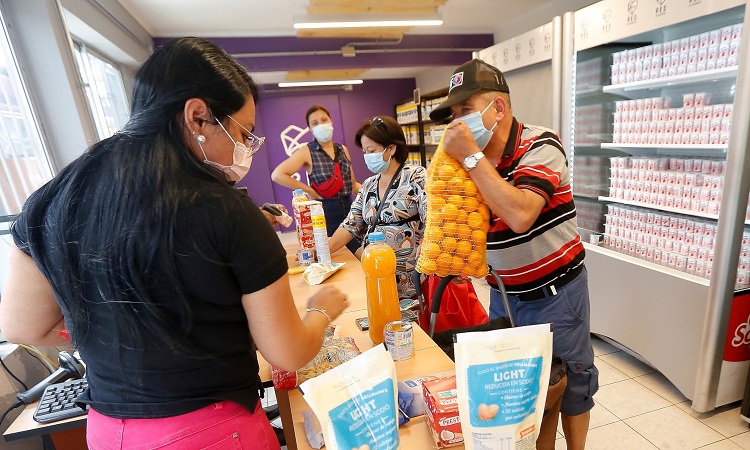
In every community, there are individuals and families who face financial hardship, often struggling to put food on the table. Food banks are essential for reducing hunger and making sure that disadvantaged groups have the food they require to survive. These organizations are essential lifelines, especially in times of economic uncertainty, natural disasters, or other crises that affect access to food.
Table of Contents
What Are Food Banks?
Nonprofits that gather, store, and distribute food to people experiencing food insecurity are known as food banks. Unlike soup kitchens, which provide prepared meals to those in need, food bank near me focuses on the distribution of non-perishable and perishable items that recipients can use to prepare meals at home. Usually provided by people, companies, food producers, or government initiatives, these goods are given to nearby food pantries, shelters, and other institutions that provide direct assistance to those in need.
Food banks are backed by a network of volunteers and contributions and operate on a vast scale, frequently spanning entire states or regions. They work in collaboration with other charitable organizations, schools, churches, and community groups to ensure that no one goes without food.
Alleviating Hunger And Providing Basic Needs
Reducing hunger is the main goal of food banks. Many families face tough decisions about how to allocate their limited resources, often choosing between paying for rent, utilities, medicine, or food. This leaves them with insufficient access to nutritious meals, leading to malnutrition and other health problems.
Food banks provide a critical safety net, ensuring that individuals and families can access food without having to make these difficult choices. By offering essential food supplies, food banks help to ease the burden on those who are struggling financially, allowing them to prioritize other basic needs, such as paying bills or securing employment. Helping communities meet essential needs strengthens social well-being, and Urbansplatter discusses how collective efforts like food assistance programs make life a little easier for those in need.
Food banks frequently offer various goods that assist people and families in need live better lives in addition to food. These may include hygiene products, baby formula, diapers, and even pet food, addressing the holistic needs of vulnerable populations.
Addressing Food Insecurity
The absence of steady access to adequate food for an active, healthy life is known as food insecurity, and it impacts millions of people globally. In the past several years, over 35 million Americans experienced food insecurity, with children, the elderly, and communities of color being disproportionately affected, according to the U.S. Department of Agriculture.
Food banks are an essential part of the strategy to combat food insecurity. By providing immediate access to food, they help mitigate the effects of poverty and ensure that no one has to go hungry. In many cases, food banks are the only resource available to individuals who do not qualify for government assistance programs or who experience a gap in benefits.
Additionally, food banks often partner with local community organizations to offer other supportive services. For example, many food banks provide nutrition education, cooking classes, and workshops on budgeting to help recipients make the most of the food they receive. These programs empower individuals and families to improve their long-term food security and break the cycle of poverty.
The Power Of Community Support
The generosity of people, companies, and organizations is crucial to food banks. Donors and volunteers are essential to ensuring that food banks can keep up with the rising need for aid. Food drives, monetary donations, and corporate partnerships all contribute to the success of these organizations.
In addition, food banks help build a sense of community by fostering connections between people who care about making a positive difference. Volunteers at food banks work together to sort, package, and distribute food, creating a strong network of support that benefits both the recipients and the volunteers. This sense of community helps to strengthen the social fabric of neighborhoods and encourages further involvement in local charitable initiatives.
Conclusion
Food banks are more than just a stopgap measure—they are a critical part of the safety net that ensures no one in our communities goes hungry. By providing nourishment to those in need, food banks not only alleviate immediate food insecurity but also contribute to long-term well-being. As we continue to face challenges like economic instability, natural disasters, and rising food prices, food banks will remain a vital resource in ensuring that everyone has access to the basic sustenance required for a healthy, fulfilling life.