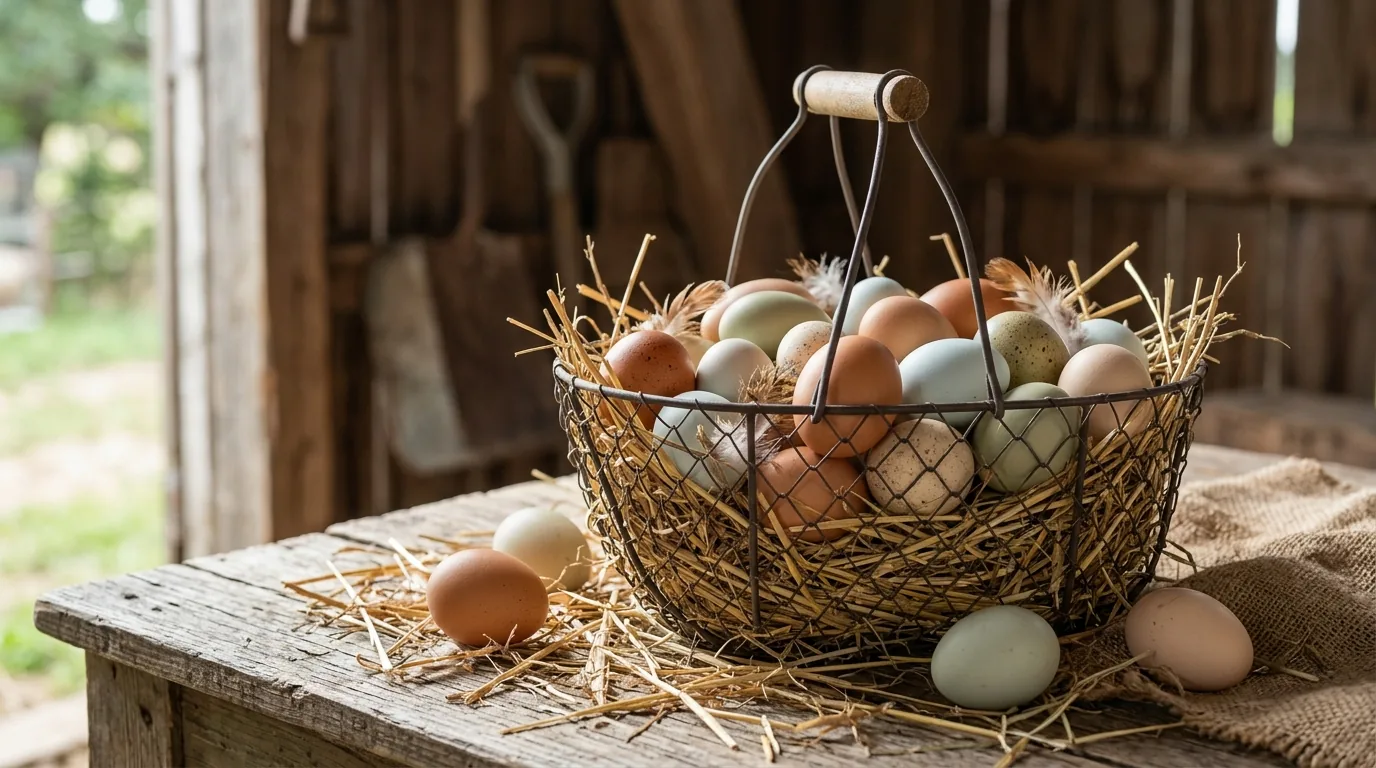
Freshness is mostly a question of days, and the days are spent somewhere between the hen and the frying pan. Each place that sells eggs sits at a different point on that journey, which is why two trays bought on the same morning can differ by a fortnight in age. Anyone wondering where to find the freshest eggs in singapore has four main options. Following an egg along each route shows what the buyer gains and gives up.
Table of Contents
The Clock Starts at the Farm
On a commercial farm, eggs roll from the laying houses onto belts, are cleaned according to local practice, checked under light for cracks, sorted by weight and packed, often within a day or so of being laid. Imported eggs then travel by road or sea from accredited farms in the region and further afield; local ones go by lorry across the island. Everything after packing is waiting, and the buyer’s choice of outlet decides how much waiting there is.
Route One: The Supermarket Aisle
Chains buy in volume through distribution centres. A tray may spend time at the packer, the importer’s store, the chain’s warehouse and finally the shop floor. Turnover is fast in busy branches, so stock is usually well within date, and the range is the widest anywhere: standard, pasteurised, enriched, free-range. The buyer can compare date marks and prices at leisure. The weakness is that the freshest tray is at the back and the store wants the front one sold.
Route Two: The Wet Market Stall
Stallholders typically collect from a wholesaler every day or two and sell from open trays by the piece or in tens. Stock rarely lingers. A regular customer can ask when a batch arrived and get a straight answer, and can pick individual eggs. The trade-offs are an unrefrigerated setting, less label information when eggs are sold loose, and early hours. Go in the morning, choose a stall with brisk custom and shade, and carry the eggs home promptly.
Route Three: The Neighbourhood Shop
Provision shops and minimarts are convenient at nine at night when the tray is empty. Their supply chain resembles the supermarket’s with one more link and slower sales, so a pack may have sat longer. That does not make it unsafe. It does mean the date mark deserves a careful look, and the cardboard should be dry and unfaded. Use this route for top-ups, not for the fortnightly purchase.
Route Four: Straight From the Producer
Some farms and distributors now sell from their own websites and deliver by van. This removes the retail warehouse and the shelf, and with them several days. The buyer chooses a tray size and grade, picks a delivery slot and receives stock that was packed recently. Farm-direct egg ordering suits households that use eggs steadily, cafes and home bakers. The considerations are a minimum order or delivery fee and the need for someone to be in to receive it.
Grocery Apps and Quick Delivery
Online supermarkets and rapid-delivery apps are a variant of route one: the eggs come from the same warehouses or from a store shelf, chosen by a picker and not by you. Convenience is high; control over the date is low. Check whether the service states a minimum remaining shelf life, inspect the tray at the door, and report cracked eggs straight away with a photograph, as most platforms refund without argument.
Reading Freshness Wherever You Buy
The same signs apply on every route. A packing date, where printed, is the best single clue. Shells should be clean, dry and whole, with the inked farm code that marks eggs from regulated sources. At home, a fresh egg sinks flat in a bowl of water and sits high and tight when cracked onto a plate. If a seller’s eggs regularly stand on end in the bowl, the route is too long, whatever the label says.
Heat Is the Other Enemy
Time is one half of freshness; temperature is the other. An egg kept cool for two weeks can be in better condition than one left warm for four days. Notice how each outlet stores its stock and how the eggs reach you. A delivery van that arrives mid-afternoon after a long round, or a stall in direct sun, undoes the advantage of a short chain. Once home, eggs belong in the refrigerator, in their carton.
Buying for Special Uses
The outlet may depend on the purpose. Pasteurised shell eggs for soft-boiled breakfasts and uncooked desserts are easiest to find in supermarkets and from producers that list them specifically. Large trays for festive baking are cheaper by the thirty from a wholesaler or farm shop. Kampung or free-range eggs appear at certain market stalls and speciality grocers; ask what standard lies behind the name. One household can sensibly use two routes.
Choosing Your Route
Decide by how many eggs are eaten and how much freshness matters. Light users are well served by a busy supermarket, picking the latest date. Market-goers with a trusted stall already have a short chain. Heavy users and keen cooks gain most from a producer-run online egg shop, set up as a regular order. Test whichever you pick with the bowl of water for a month. The route that keeps sinking eggs on your counter is the one to keep.